Skip to product information
1 of 4
Low Stock
Shipping now

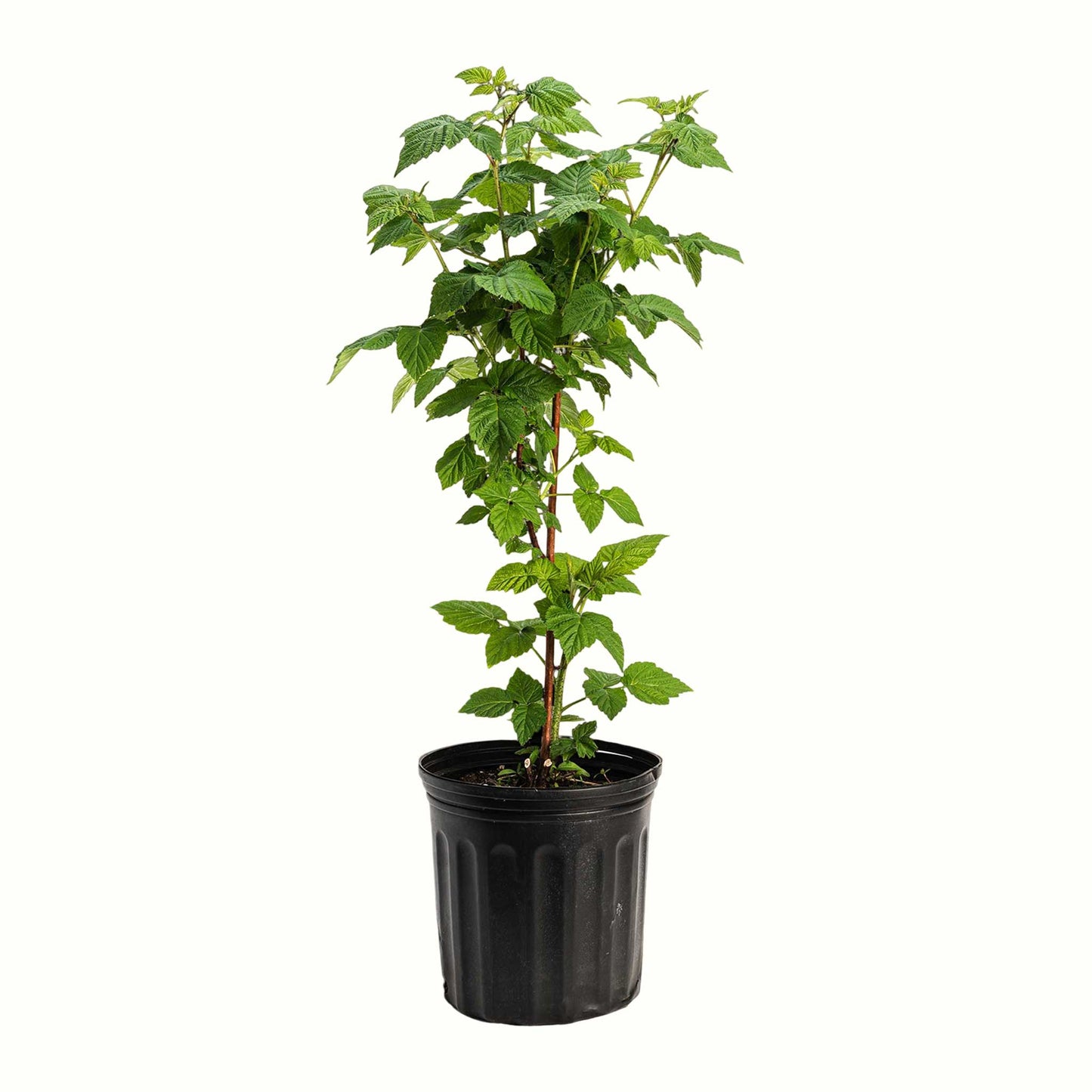
Nova Red Raspberry Bush

Exceptionally cold hardy to Zone 3

Height
Pack Options
Trusted by 4M+ Gardeners
Grow Guarantee
Fast Shipping
Secure
Shipped from Asheville, NC

About the Variety

New

Key Features

Frost Tolerant
Prefers Moist Soil
Attracts Bees
Easy to Grow
Edible

Plant Details

LIFE CYCLE

  • Perennial

SEED TYPE

  • Live Plant

LIGHT REQUIREMENT

  • Full Sun

BLOOM SEASON

  • Summer

GROWTH HABIT

  • Spreading
  • Upright

COLOR

  • Red

MATURE SIZE

  • 4-5 ft. x 3-4 ft.

Bred to thrive through the harsh northern winters of Nova Scotia, this exceptionally cold-hardy raspberry combines toughness with outstanding fruit quality. Nova Raspberry produces generous harvests of firm, bright red berries with a balanced, classic raspberry flavor, typically ripening from midsummer into early fall, depending on your region. Resistant to many common cane diseases and adaptable to both harsh winters and summer heat, it’s a vigorous and dependable choice for delicious homegrown harvests season after season.

This item is excluded from coupon codes and site-wide promotions.

Available across most of the U.S. — except AK, AZ, HI, OR.

  • • Vigorous and widely adaptable to varying climates
  • • Resistant to many common cane diseases
  • Self-pollinating; an optional pollinating partner may increase yields

Planting Information

PLANTING SEASON

  • Spring
  • Fall

PLANTING DEPTH

  • Crown at Soil Level

WATER NEEDS

  • Average

PLANT SPACING

  • 2 to 3 feet

HARDINESS ZONES

  • 3
  • 4
  • 5
  • 6
  • 7
  • 8

Planting Guide

recommended growing zone View our Raspberry Planting Guide to learn more.

Companion Plants

1 of 3

Nova Red Raspberry Bush FAQs

What are the key characteristics of the Nova Red Raspberry?

The Nova Red Raspberry is known for its hardiness and ability to resist common raspberry diseases like root rot and raspberry bushy dwarf virus. This variety produces medium to large berries that are firm, bright red, and have a balanced sweet flavor, making them ideal for fresh eating, jams, and freezing. Nova Red Raspberries typically ripen in mid-summer and can yield a second crop in the fall in milder climates.

Can Nova Red Raspberries be grown in containers?

Yes, Nova Red Raspberries can thrive in containers, making them suitable for small spaces or urban gardens. Ensure the container is large enough (at least 18 to 24 inches in diameter) and has good drainage. Container-grown raspberries will require more frequent watering and regular feeding to ensure they remain healthy and productive.

What are some common issues with growing Nova Red Raspberries?

While resistant to many diseases, Nova Red Raspberries can still be vulnerable to pests such as spider mites and aphids. Regular inspections and early treatment with appropriate organic or chemical controls can help manage these pests. Proper plant care, such as ensuring adequate spacing and air circulation, also helps reduce the risk of fungal diseases.

How do I harvest and store Nova Red Raspberries?

Raspberries are ready to harvest when they easily come off the receptacle and are deep red in color. Harvest in the morning when the berries are cool for the best flavor and shelf life. Raspberries can be stored in the refrigerator for a few days; for longer storage, they can be frozen on a baking sheet and then transferred to a freezer-safe container.
With its robust growth, disease resistance, and delicious fruit, the Nova Red Raspberry is an excellent choice for both novice and experienced gardeners looking to add a fruitful touch to their gardens.

How do I prune Nova Red Raspberries?

Nova Red is a summer-bearing raspberry that produces fruit on second-year canes, called floricanes. Do not cut all the canes to the ground each winter, or you will remove the canes that would produce the following summer’s crop. New first-year canes, called primocanes, should be left to grow and overwinter. During their second growing season, these canes produce fruit. After they finish fruiting, cut them to the ground, as they will not produce again. Be careful to leave the new green primocanes growing alongside them, since these will provide next year’s harvest.

Grown by Our Community • All berries

    1 of 0