Skip to product information
1 of 7
In stock
Shipping now

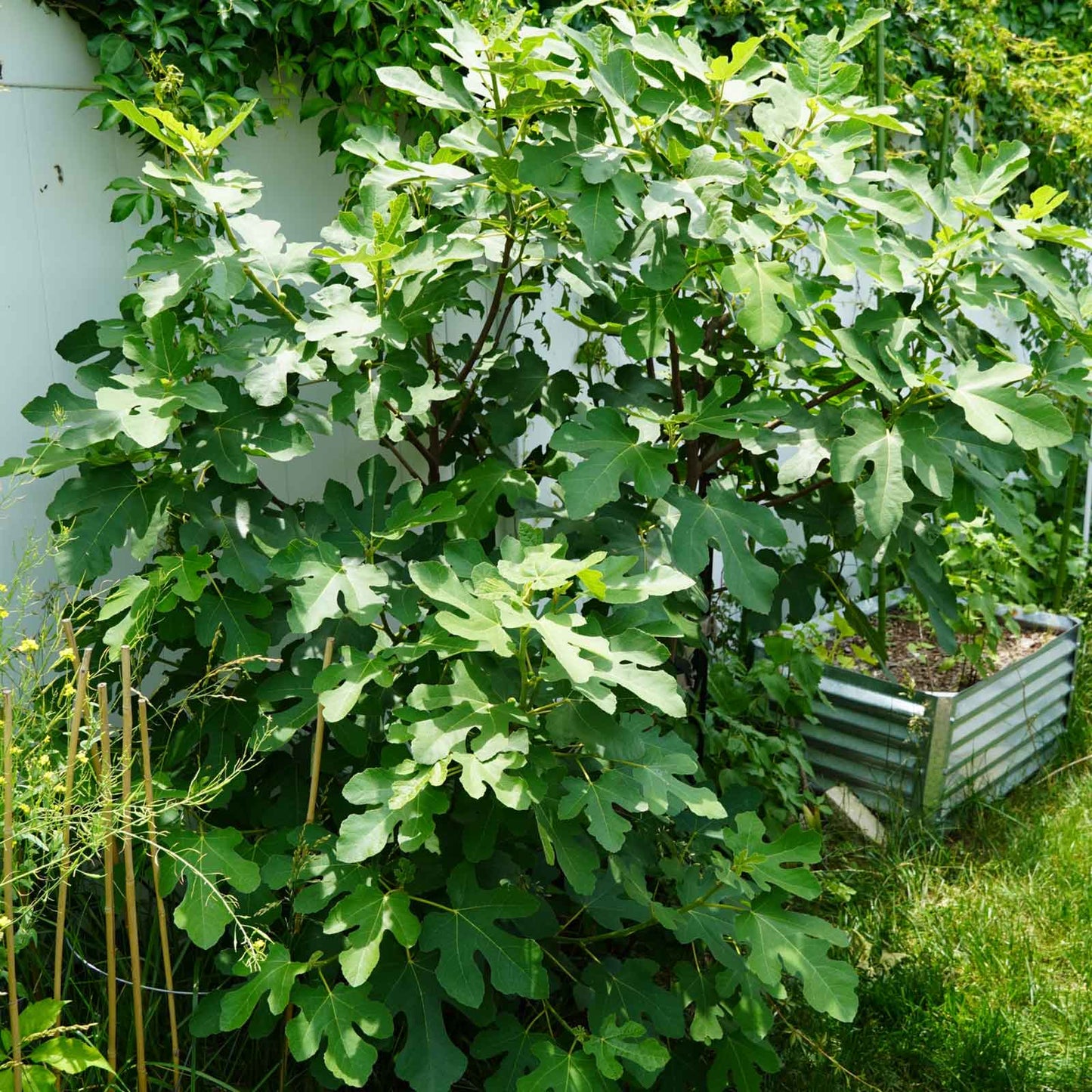
Chicago Hardy Fig Tree

Exceptional cold hardiness

Height
Pack Options
Trusted by 4M+ Gardeners
Grow Guarantee
Fast Shipping
Secure
Shipped from Asheville, NC

About the Variety

New

Key Features

Frost Tolerant
Heat Tolerant
Drought Tolerant
Container Friendly
Easy to Grow
Medicinal
Edible

Plant Details

LIFE CYCLE

  • Perennial

SEED TYPE

  • Live Plant

LIGHT REQUIREMENT

  • Full Sun

BLOOM SEASON

  • Spring

GROWTH HABIT

  • Upright

COLOR

  • Purple

MATURE SIZE

  • 15-30 ft. x 15-30 ft.

Built to handle colder climates, this remarkably resilient fig brings the rich flavor of the Mediterranean to gardens far beyond the traditional fig-growing regions. Chicago Hardy Fig Tree produces plump, mahogany-purple figs with deep red, syrupy flesh and a luscious berry-jam-and-honey flavor from late summer into early fall. Even when winter cold kills growth to the ground, established plants can rebound from the roots and produce fruit on new growth that same season.

This item is excluded from coupon codes and site-wide promotions.

Available across most of the U.S. — except AK, AZ, HI, OR.

  • • Jammy, honey-sweet flavor
  • • Fruits on new season’s growth
  • Self-pollinating; an optional pollinating partner may increase yields

Planting Information

PLANTING SEASON

  • Spring
  • Fall

PLANTING DEPTH

  • Plant at the same depth as the nursery container

WATER NEEDS

  • Average

PLANT SPACING

  • 10 to 12 feet

HARDINESS ZONES

  • 5
  • 6
  • 7
  • 8
  • 9
  • 10

Planting Guide

recommended growing zone View our Fig Tree Planting Guide to learn more.

Companion Plants

1 of 3

Chicago Hardy Fig Tree FAQs

How does Chicago Hardy fig taste?

The medium, purple-brown fruit has deep-red flesh with a rich, jammy sweetness and notes of berry and honey. It is excellent eaten fresh off the branch, and just as good dried, baked into tarts, or simmered into preserves.

Do I need a second fig tree to get fruit?

No. Chicago Hardy is self-fertile and does not require a pollinator or wasp. A single plant will produce a full crop on its own.

Can I really grow it in a cold climate?

Yes, which is the whole point of this variety. The roots survive freezes down into zone 5. In the coldest zones the top may die back in winter, but the plant regrows from the base each spring and fruits on that new growth. In zones 5 to 6, mulch the roots heavily or grow it in a pot you move to shelter.

How do I overwinter it in a container?

Once the plant drops its leaves and goes dormant, move the pot into an unheated garage, basement, or shed kept roughly between 30 and 50 degrees. Water sparingly through winter, just enough to keep the roots from drying out completely, then bring it back into the sun after the last hard frost.

Why is my fig tree dropping its fruit?

Early fruit drop usually traces to inconsistent watering, a sudden cold snap, or too much nitrogen fertilizer pushing leafy growth. Keep soil evenly moist as figs swell, feed moderately, and give the plant the warmest, sunniest spot you can. Young plants also commonly shed a first-year crop as they establish.

When do I pick the figs, and how do I know they are ripe?

Harvest runs July through October. A ripe fig is soft to a gentle squeeze, fully colored, and bends or droops at the neck where it meets the stem; a drop of nectar at the eye is a good sign. Figs do not ripen further after picking, so leave them on the plant until they are clearly soft and sweet.

Grown by Our Community • All figs

    1 of 0